


04 Mar - Hit-and-Run Accidents in Sarasota County — Your Legal Options
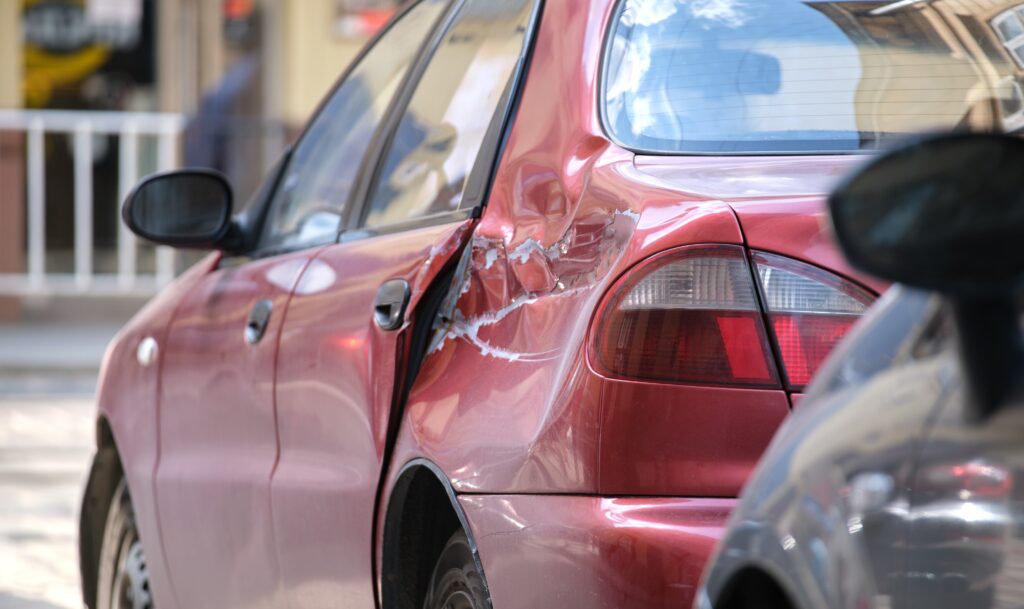
A hit-and-run accident can leave you shaken, confused, and unsure of what to do next. When another driver flees the scene, the situation feels especially unfair – you’re left dealing with injuries, vehicle damage, and unanswered questions, all without knowing who caused it. In Sarasota Count,, hit-and-run crashes happen more often than people realize, and they require a different legal approach than standard car accidents.
At Brian Sebaaly Law, we help people get clarity after these stressful events. Understanding your legal options early can make a major difference in protecting your health, your finances, and your future.
What Counts as a Hit-and-Run in Florida?
Under Florida law, a hit-and-run occurs whenever a driver involved in a crash leaves the scene without stopping to provide required information or render aid. This applies whether the accident involves property damage, injuries, or fatalities.
A hit-and-run can include situations where a driver:
- Strikes another vehicle and drives away without exchanging information
- Hits a pedestrian or cyclist and leaves the scene
- Causes damage in a parking lot and fails to leave contact details
- Leaves before law enforcement arrives after an injury crash
Even if the collision seems minor, leaving the scene is a criminal offense in Florida. From a civil standpoint, the absence of an identified driver creates additional hurdles for anyone seeking financial recovery.
Common Hit-and-Run Scenarios in Sarasota County
Local geography, traffic patterns, and tourism all contribute to where and how hit-and-run accidents occur in this region. Some of the most common scenarios include:
- Rear-end collisions at traffic lights where the striking driver panics and speeds off
- Sideswipe crashes on busy corridors like US-41 or near I-75 exits
- Parking lot accidents at shopping centers, beaches, or nightlife areas
- Pedestrian or cyclist strikes, particularly in early morning or late evening hours
- Tourist-related crashes, where out-of-town drivers leave the area quickly
These crashes often happen fast, leaving victims with little time to react or gather information. That’s why knowing what to do immediately after the impact is so important.
Three Things to Do Before Leaving the Scene of an Accident
In the moments following a hit-and-run, your safety comes first – but your actions also matter for any future claim.
- Prioritize Safety and Medical Attention. Move to a safe location if possible and check yourself and others for injuries. Call 911 right away. Even if injuries seem minor, seeking medical care ensures hidden issues are identified and properly documented.
- Call Law Enforcement Immediately. A police report is essential in hit-and-run cases. Officers can begin an investigation, issue alerts, and document key details that may later support an insurance or legal claim.
- Gather What Information You Can. Try to note anything about the fleeing vehicle: color, make, model, partial license plate, direction of travel, or distinguishing features. If witnesses are present, ask for their contact information before leaving the scene.
Police Report & Evidence List
Because the other driver is unknown, evidence becomes the foundation of a hit-and-run case. The more information preserved early, the stronger your position later.
Helpful evidence may include:
- The official police crash report
- Photos or videos of vehicle damage, debris, skid marks, and the surrounding area
- Surveillance footage from nearby businesses, homes, or traffic cameras
- Dashcam footage from your vehicle or others nearby
- Witness statements or contact details
- Medical records linking injuries to the crash
Surveillance footage is often overwritten within days or weeks, so acting quickly can prevent critical evidence from disappearing.
Why Hit-and-Run Cases Are So Challenging
Hit-and-run claims are difficult not because the injuries are unclear, but because the responsible party is missing. Without an at-fault driver to pursue directly, insurance companies scrutinize these cases closely.
Challenges often include:
- No opposing insurer to negotiate with initially
- Higher likelihood of claim denials without strong documentation
- Increased burden of proof placed on the injured person
- Disputes over whether the crash involved another vehicle at all
This is why many people turn to a hit and run accident lawyer who understands how to build a case using evidence, policy language, and legal pressure rather than relying on a traditional liability claim.
UM/UIM Claims Explained
When a hit-and-run driver cannot be identified, recovery often depends on your own auto insurance, specifically uninsured or underinsured motorist (UM/UIM) coverage.
UM coverage is designed to step in when:
- The at-fault driver has no insurance
- The driver cannot be located (as in hit-and-run cases)
- The driver lacks sufficient coverage to pay for injuries
Filing an uninsured motorist claim is not the same as filing a standard insurance claim. Your insurer effectively steps into the shoes of the missing driver, which means they may challenge liability, injuries, or damages just as aggressively.
When an Attorney Can Force Coverage
Insurance companies sometimes resist UM claims by arguing insufficient proof or questioning whether another vehicle was involved. An attorney can counter these tactics by:
- Presenting medical and accident evidence clearly
- Enforcing policy obligations
- Challenging improper denials or delays
- Using litigation leverage when necessary
Legal representation often shifts the balance, ensuring your insurer treats the claim seriously rather than dismissing it as speculative.
What If the Hit-and-Run Driver Is Found Later?
In some cases, the driver is identified days or even months after the crash. This can happen through police investigation, witness tips, or video evidence.
If the driver is found:
- A liability claim may be pursued against their insurance
- Any prior UM claim may be adjusted or reimbursed
- Criminal charges may proceed separately from your civil case
The discovery of the driver does not erase your earlier claim efforts. Instead, it opens additional avenues that can be evaluated with legal guidance.
Damages Available After a Hit-and-Run Accident
Even without a known driver, Florida law allows injured individuals to pursue recovery for a range of losses, including:
- Medical expenses, both immediate and ongoing
- Lost wages and reduced earning capacity
- Vehicle repair or replacement costs
- Physical pain and emotional distress
- Long-term limitations or permanent injuries
The specific damages available depend on injury severity, coverage limits, and the evidence supporting your claim. A careful, documented approach ensures that losses are fully accounted for.
Time Limits & Urgency After a Hit-and-Run
Florida’s statute of limitations for most car accident injury cases is two years from the date of the crash. Missing this deadline can permanently bar recovery.
Beyond legal deadlines, timing matters because:
- Surveillance footage may be erased
- Witness memories fade
- Insurance notice requirements may expire
Speaking with a Sarasota injury attorney early allows evidence to be preserved and deadlines to be met without unnecessary stress.
Secure Your Compensation with Expert Help Now!
A hit-and-run accident is a confusing experience, but you don’t have to navigate it alone. These cases require careful handling, strong documentation, and a clear understanding of insurance coverage options.
At Brian Sebaaly Law, clients work directly with their attorney and receive honest, straightforward guidance at every stage. Our firm is here to help you understand your options and move forward with confidence.
If you’ve been injured in a hit-and-run crash, contact Brian Sebaaly Law today for a free, no-obligation consultation.
Photo Credit: Bilanol
Sorry, the comment form is closed at this time.